
August 2, 2026
Construction Site Signs: Safety, Branding, and What You Need to Know
Construction signage should separate site-safety requirements from branding and wayfinding. Use this checklist to plan materials, mounting, artwork, and timing.
By Print Wave
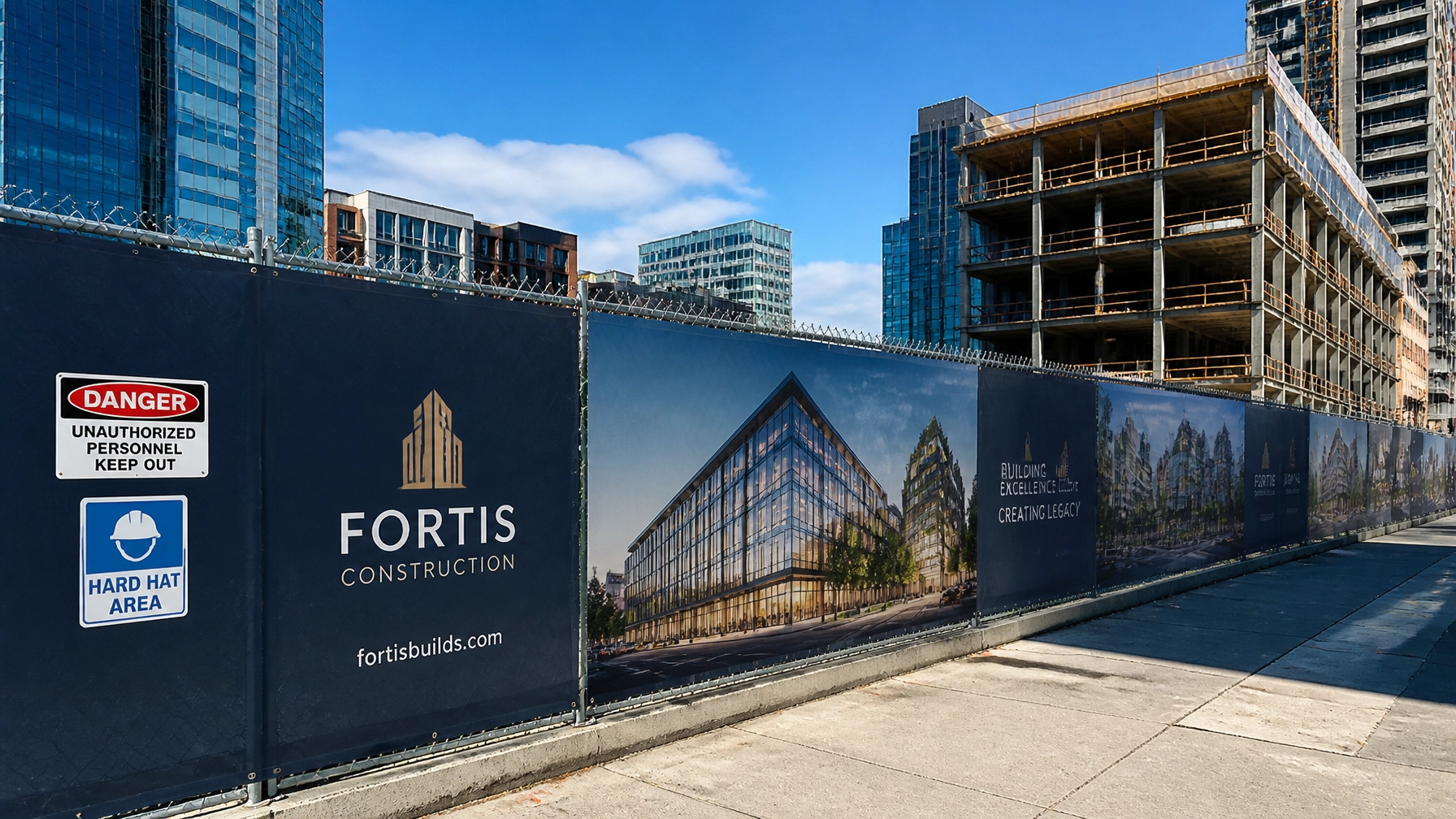
Construction-site signage should be planned in two separate tracks: required safety and regulatory communication, and optional branding or wayfinding. The project owner and qualified safety team must approve the first track. A print provider can help produce the approved signs and recommend practical materials, but it should not decide what a job site is legally required to display.
For contractors and developers in the Dayton area, a written sign schedule is the most useful starting point. It reduces missed items, unclear mounting, and last-minute changes as the site moves from demolition through construction, leasing, and opening.
Start With the Approved Safety Requirements
Safety wording, signal words, symbols, colors, dimensions, and placement may be governed by project policies, contracts, authorities, and current standards. Do not rely on a generic blog checklist as the final specification.
Have the responsible project or safety professional provide approved artwork or a documented sign list. For each item, record:
- The exact approved message and symbol.
- Finished size and orientation.
- Required material or performance characteristics.
- Mounting location and method.
- Quantity and replacement stock.
- Approver and required date.
Print Wave can produce from that approved information, but the customer remains responsible for confirming compliance requirements and installation placement.
Match Materials to Duration and Exposure
Construction environments expose graphics to dust, wind, rain, sunlight, moving equipment, and repeated handling. There is no single material that is right for every site.
Corrugated plastic
Corrugated plastic is lightweight and practical for temporary directional, parking, event, and project-information signs. It can work with stakes or other supports when the size, orientation, and ground conditions are appropriate. It should not be treated as a permanent panel or mounted without considering wind.
Aluminum composite material
Aluminum composite material provides a flatter, more rigid panel for longer-term identification, rules, leasing, and project boards. Its performance still depends on printed finish, edge exposure, mounting, hardware, and the supporting structure.
Solid vinyl and mesh banners
Solid vinyl offers dense color and a continuous print surface. Mesh allows more air to pass through, which can be helpful on some fences and exposed installations. Neither material makes an installation automatically safe. Banner size, wind, fence condition, attachment points, local requirements, and engineering responsibility must be reviewed by the appropriate project team.
Our materials and durability guide explains the general tradeoffs, while a project-specific quote should confirm the selected construction.
Keep Branding Separate From Safety Messages
Project identity boards, fence graphics, leasing signs, sponsor panels, and architectural renderings can make a site easier to understand and present a more organized public face. They should not obscure, imitate, or compete with required safety communication.
Use a clear hierarchy:
- Reserve required colors and layouts for approved safety signs.
- Keep contractor and developer branding in separate zones.
- Make delivery, visitor, and parking directions readable at their actual approach distance.
- Avoid placing promotional graphics where they block sight lines or required notices.
- Update temporary messages when access routes or project phases change.
For renovation projects, window graphics can screen interior work or present opening information, subject to property approval and the needs of the glass.
Plan Signage by Project Phase
A phased schedule can include:
- Site identification, perimeter information, access, and approved safety notices.
- Updated wayfinding, delivery routes, trade-specific notices, and replacement stock.
- Leasing, opening, tenant, event, and completion graphics.
Do not batch print changing safety information too early. Separate stable items from messages that may change with access, personnel, or site conditions. Assign one person to approve revisions and remove obsolete signs.
Prepare Artwork That Works on Site
The design must account for where and how the sign will be read. Before approval:
- Confirm the real finished size.
- Use vector logos and sharp images.
- Keep essential text away from trim, holes, hems, and mounting hardware.
- Check contrast in daylight and poor weather.
- Reduce text for signs viewed from vehicles.
- Mark drill-hole, grommet, pocket, or stake requirements.
- Provide photographs or drawings of the intended installation area.
If the piece includes an architectural rendering or detailed project map, proof it at size. Fine labels that look clear on a monitor may be too small outdoors.
Request a Construction Sign Quote
Print Wave produces construction banners, yard signs, and rigid outdoor signs for Dayton-area projects. Send the approved sign schedule, artwork, quantities, materials, mounting requirements, and need-by dates through our quote request. We will confirm production scope and timing before the job begins.
Frequently Asked Questions
Can a print shop determine which safety signs my site legally requires?
No. The project owner, general contractor, safety professional, and applicable authorities should determine required wording, symbols, placement, and standards. A printer can produce the approved specification.
What affects the material choice for a construction sign?
Expected duration, wind, sunlight, mounting surface, viewing distance, impact risk, and whether the sign will move between phases all affect the practical substrate and finishing.
How should a phased signage order be organized?
Use a sign schedule with an identifier, approved message, size, material, quantity, mounting method, installation area, approver, and required date for every item.