
July 29, 2026
Real Estate Yard Signs: The Complete Guide for Agents and Brokers
Plan real estate yard signs around viewing distance, installation hardware, expected use, brand consistency, riders, and repeat-order needs.
By Print Wave
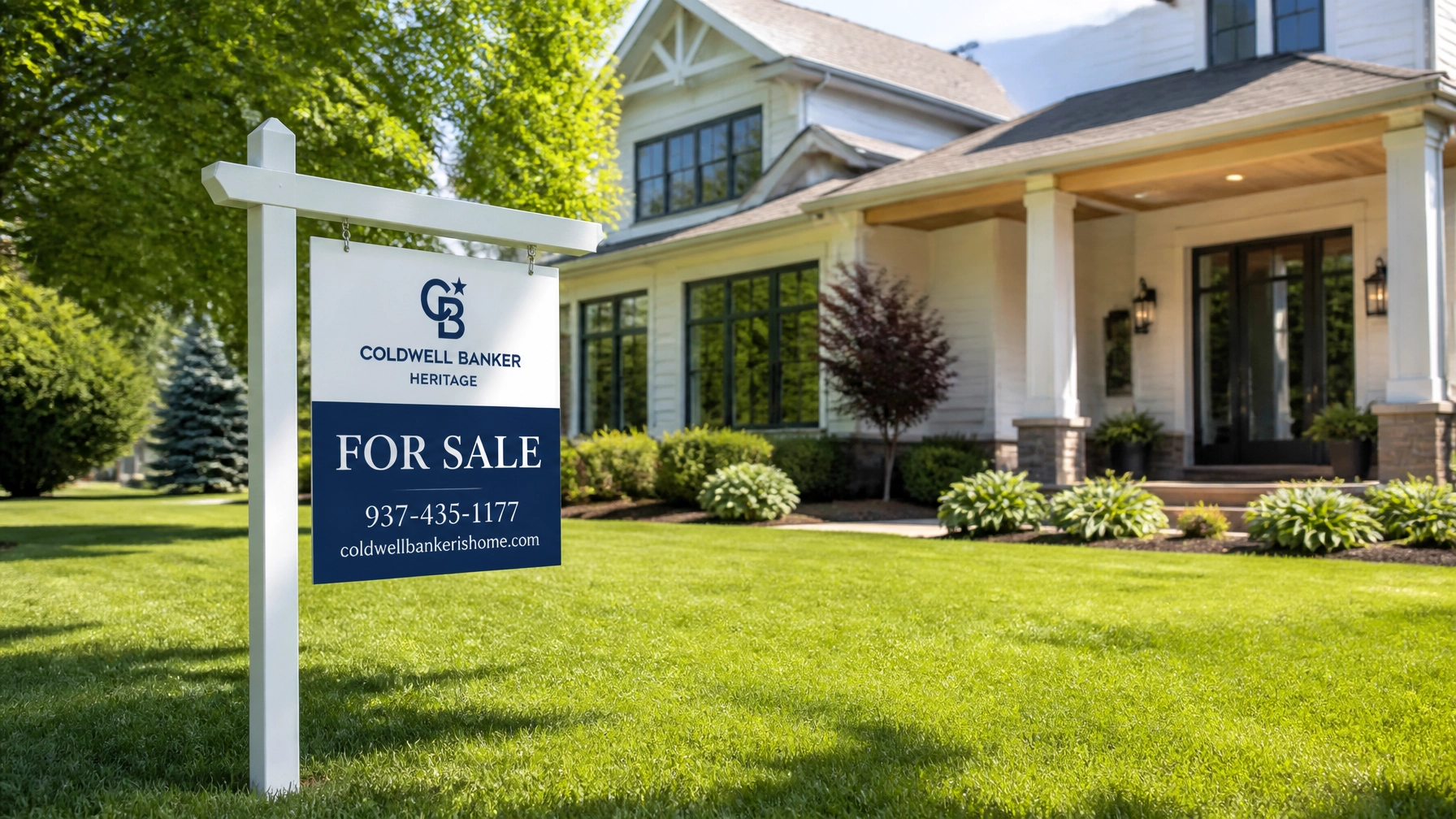
Real estate yard signs work best when drivers and pedestrians can identify the listing, agent, and next action quickly. Material, panel size, hardware, contrast, riders, and repeat-order consistency matter more than filling the sign with every available detail.
For Dayton-area agents and brokerages, use temporary corrugated-plastic panels for practical listing and directional needs, and consider more rigid reusable panels when the frame, expected use, and presentation justify them. This guide explains the tradeoffs to confirm before ordering real estate signs.
Choosing the Right Material: Coroplast vs. ACM vs. PVC
The biggest mistake agents make is choosing the wrong material for the job. Depending on whether you're running a weekend open house or a multi-month luxury listing, your needs change.
1. Coroplast (Corrugated Plastic)
Best for: Short-term listings, open house pointers, and high-volume campaigns.
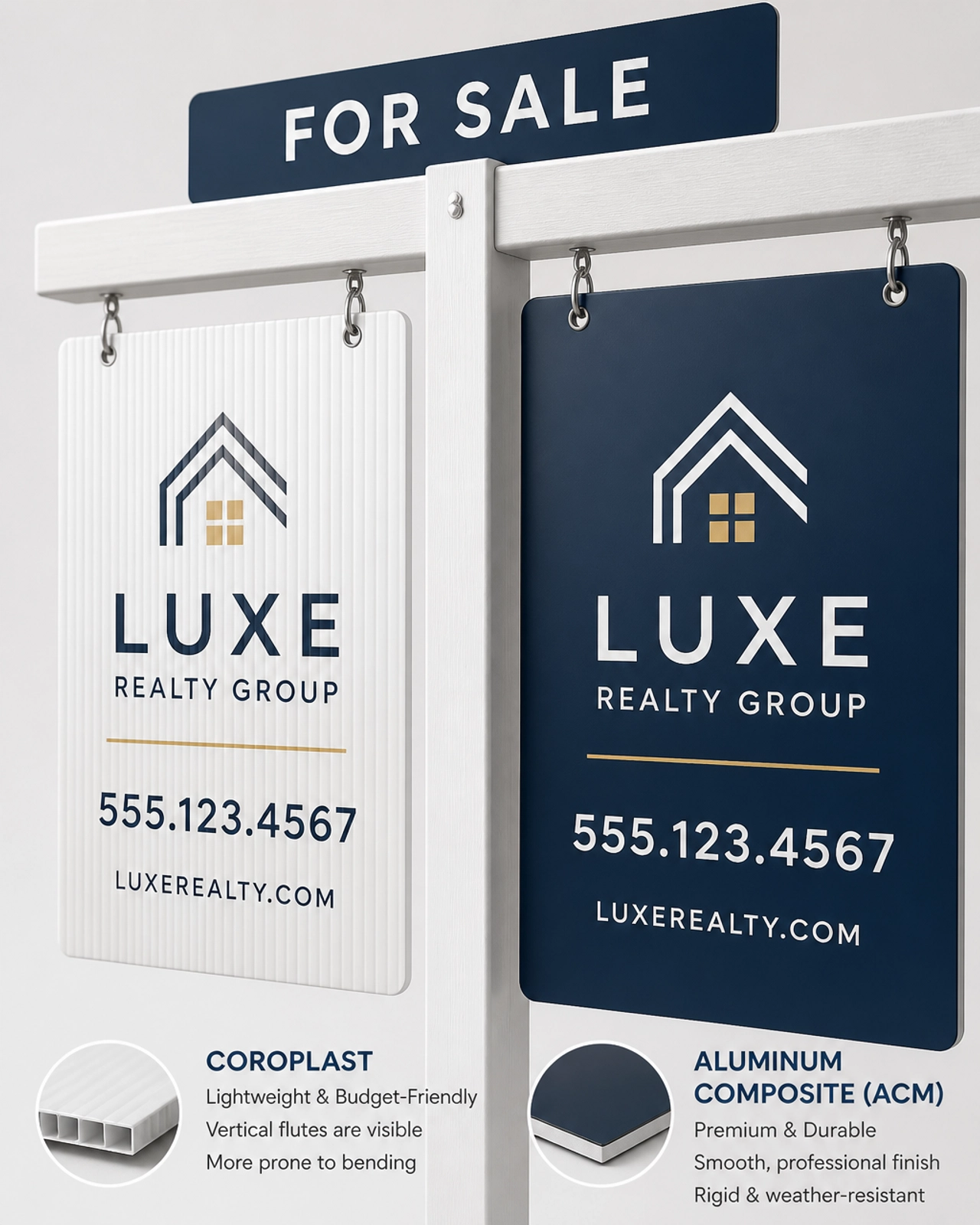
Coroplast is the industry standard for yard signs. It’s lightweight, weather-resistant, and highly cost-effective. At Print Wave, we typically use 4mm Coroplast, which is commonly paired with compatible wire H-stakes. It’s the go-to for "geographic farming" where you need dozens of signs spread across a neighborhood.
2. ACM (Aluminum Composite Material)
Best for: Long-term branding, premium yard posts, and office signage.
If you use high-end swing posts (colonial posts) that stay up for months, ACM is your best friend. It consists of two thin layers of aluminum bonded to a solid polyethylene core. It provides a flatter, more rigid presentation than corrugated plastic. We recommend 3mm ACM for agents who want to reuse their main panels across multiple listings.
3. PVC (Rigid Foam)
Best for: Medium-term signage in sheltered areas or high-end interior displays.
PVC offers a smooth, professional finish without the "flutes" visible in Coroplast. However, it can be sensitive to extreme heat and direct sunlight over long periods. It’s an excellent choice for window decals for business transitions or signs placed under porch covers.
For a deeper dive into which material fits your budget, check out our Print 101 guide on materials and durability.
Sizing and Visibility: Can They Read It?
A sign that can't be read from a moving car is a wasted investment. Most real estate yard signs follow a standard size, but there's room to stand out.
- Standard Listing Panels: 18" x 24" is a common size. It fits most H-stakes and frames while providing enough "real estate" for your photo, logo, and phone number.
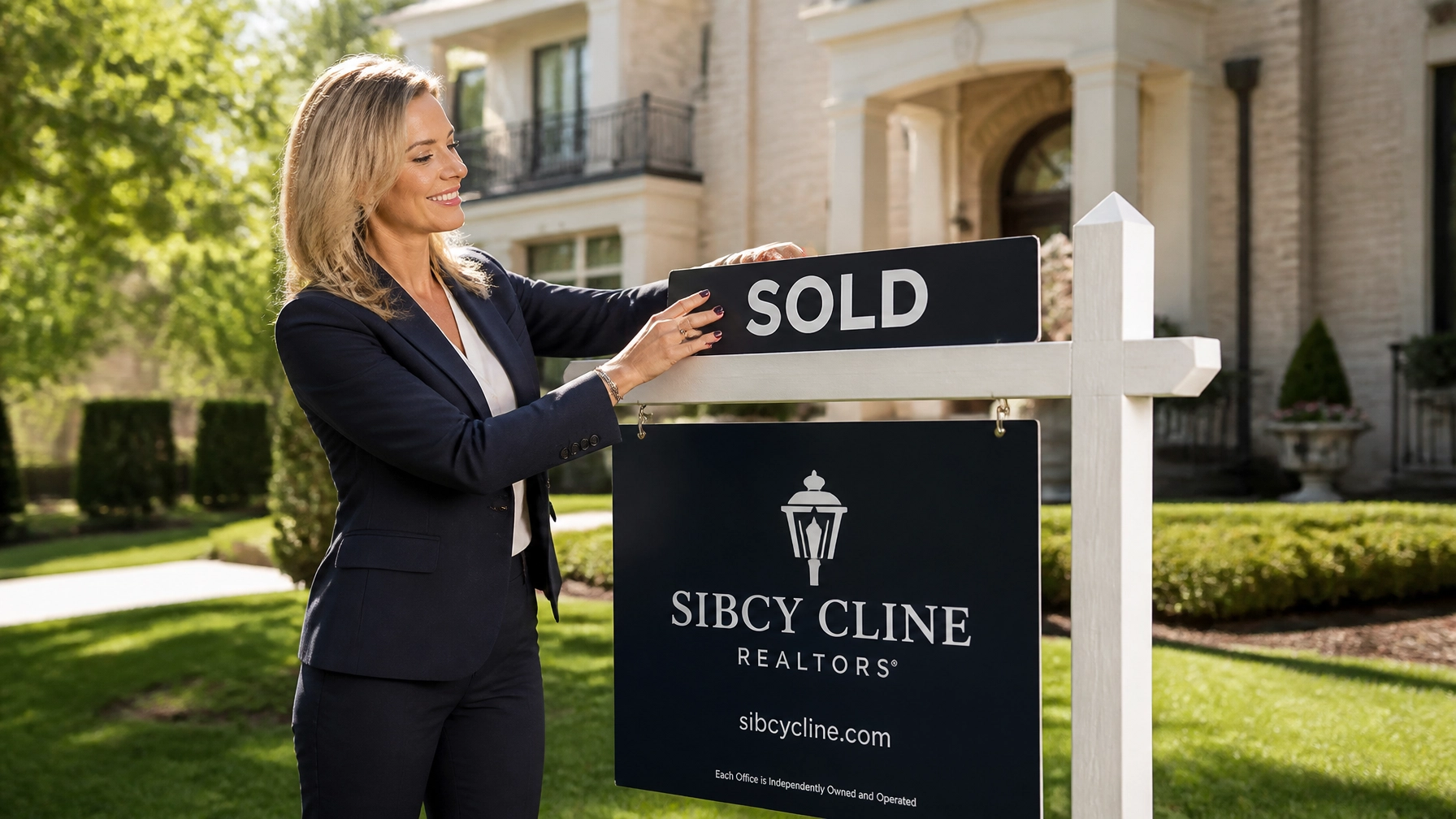
- Riders: Usually 6" x 24". These sit on top or hang below your main sign to add "Open House," "Price Reduced," or "Sold" messaging.
- Directional Pointers: 12" x 18" or 18" x 24" with arrows. These are critical for navigating buyers through complex neighborhoods in Columbus or Dayton.
Expert Tip: High contrast is key. Dark text on a light background (or vice-versa) is much easier to read at 35 mph than stylized, low-contrast colors.
Hardware and Stakes: Keeping Your Signs Upright
The best sign in the world is useless if it’s face-down in the grass after a storm.
- Wire H-Stakes: The standard for Coroplast. They’re inexpensive and easy to "step" into the ground.
- Heavy-Duty Frames: For a more permanent look, iron or steel frames hold your panels securely and prevent them from blowing away in high winds.
- Colonial Swing Posts: These provide that "luxury" feel. Usually made of wood or PVC, they hold hanging ACM panels.
How We Build Them: The Print Wave Advantage
A repeatable specification matters more than assumptions about a previous order. We review the approved artwork, material, cut size, and finishing before production.
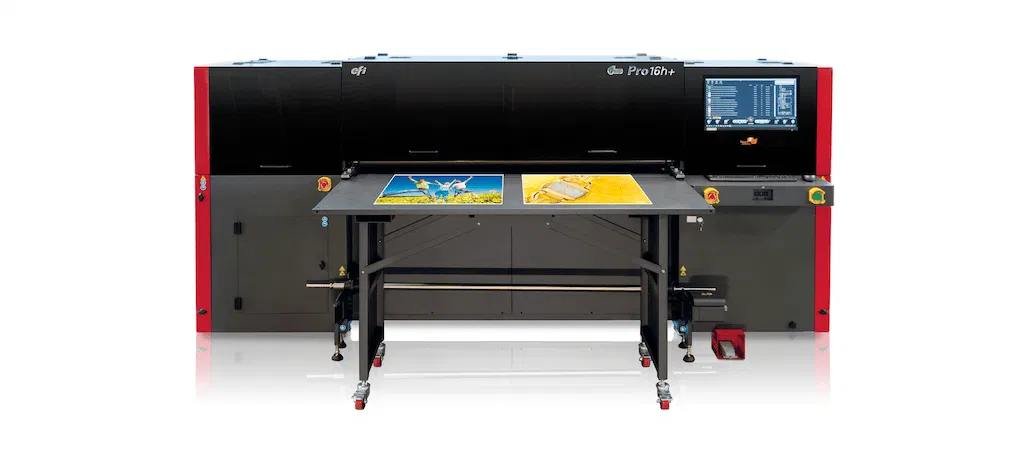
We use high-performance technology like the EFI Pro 16h+ hybrid LED printer, which allows us to print directly onto rigid materials like ACM and Coroplast. This results in vibrant, UV-stable colors that won’t fade after two weeks in the Cincinnati sun.
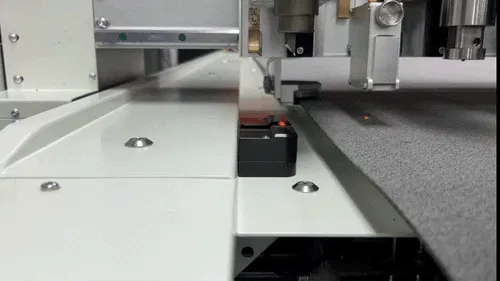
Our SW6 precision finishing system ensures that every sign is cut to exact specifications, whether you need standard rectangles or custom-shaped "For Sale" signs. Production timing depends on quantity, artwork approval, material, finishing, and the current schedule. We confirm the completion date before the order enters production.
Coordinating Multi-Property Campaigns
For brokerages managing dozens of listings across the Dayton, Cincinnati, and Columbus regions, consistency is everything. You need your branding to look the same on a custom banner at a community event as it does on your fleet graphics and yard signs.
We work with operations managers to build "signage kits" that include:
- Main listing panels (ACM or Coroplast)
- Standardized riders (Sold, Pending, New Listing)
- Directional pointers
- Storefront vinyl for new office openings
By centralizing your print needs with a partner that understands the local market, you eliminate the "surprise" of off-brand colors or late deliveries.
Local Expertise in Dayton, Cincinnati, and Columbus
We are built for the businesses that keep our region moving. Whether you are a solo agent in Dayton or a large brokerage firm with offices in both Cincinnati and Columbus, we provide local pickup and delivery options to keep your operations running smoothly.
Beyond yard signs, we help real estate and construction teams with construction site signs and commercial vehicle wraps to turn every job site and commute into a marketing opportunity.
Ready to Elevate Your Property Branding?
Don’t settle for "good enough" when it comes to your first impression on the street. Your yard sign is often the first physical interaction a buyer has with your brand. Make it count with professional materials, expert design, and a print partner you can actually depend on.
If you’re ready to streamline your signage rollout, contact our team today. We’ll give you a clear scope, a firm timeline, and a finish you’ll be proud to put your name on.
Frequently Asked Questions
What material works for a typical real estate yard sign?
Corrugated plastic is a practical lightweight choice for many temporary listing and directional signs. Reusable frames and longer-term panels may call for a more rigid material.
Should a real estate sign be printed on both sides?
Use two-sided printing when traffic can approach from both directions and the hardware exposes both faces. One-sided printing can be enough against a wall, fence, or one-way viewing path.
How can a brokerage keep repeat signs consistent?
Maintain one approved artwork file and a written specification for panel size, material, hardware, rider size, colors, and contact information. Reference that specification with each reorder.