
August 3, 2026
Truck Lettering 101: Everything You Need to Know Before Branding Your Work Vehicles
Plan readable truck lettering by choosing the right coverage, vinyl, message hierarchy, artwork, installation approach, and maintenance routine.
By Print Wave
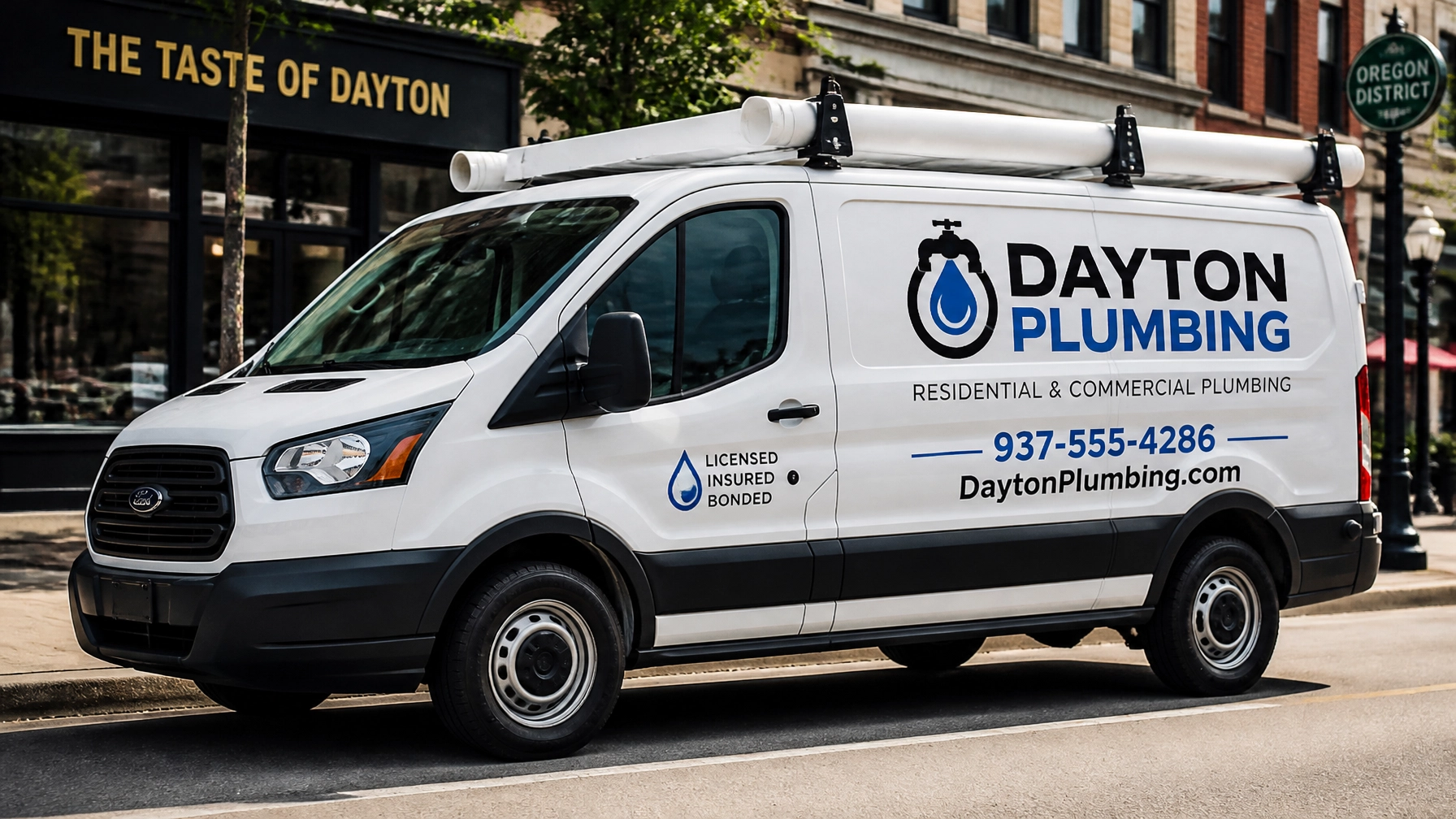
Truck lettering should communicate a business name, primary service, and contact path in the few seconds another driver or pedestrian can see the vehicle. Start with message hierarchy and viewing distance, then choose cut vinyl, a partial wrap, or broader wrap coverage.
For Dayton-area work vehicles and regional fleets, the practical specification also depends on body style, paint condition, vinyl, artwork, installation time, and maintenance. This guide explains the decisions to confirm before ordering vehicle graphics.
Understanding Your Options: Lettering vs. Wraps
The first decision you'll face is how much of the vehicle you want to cover. There isn't a one-size-fits-all answer; it depends on your budget, your brand's visual style, and the vehicle's purpose.
1. Spot Lettering
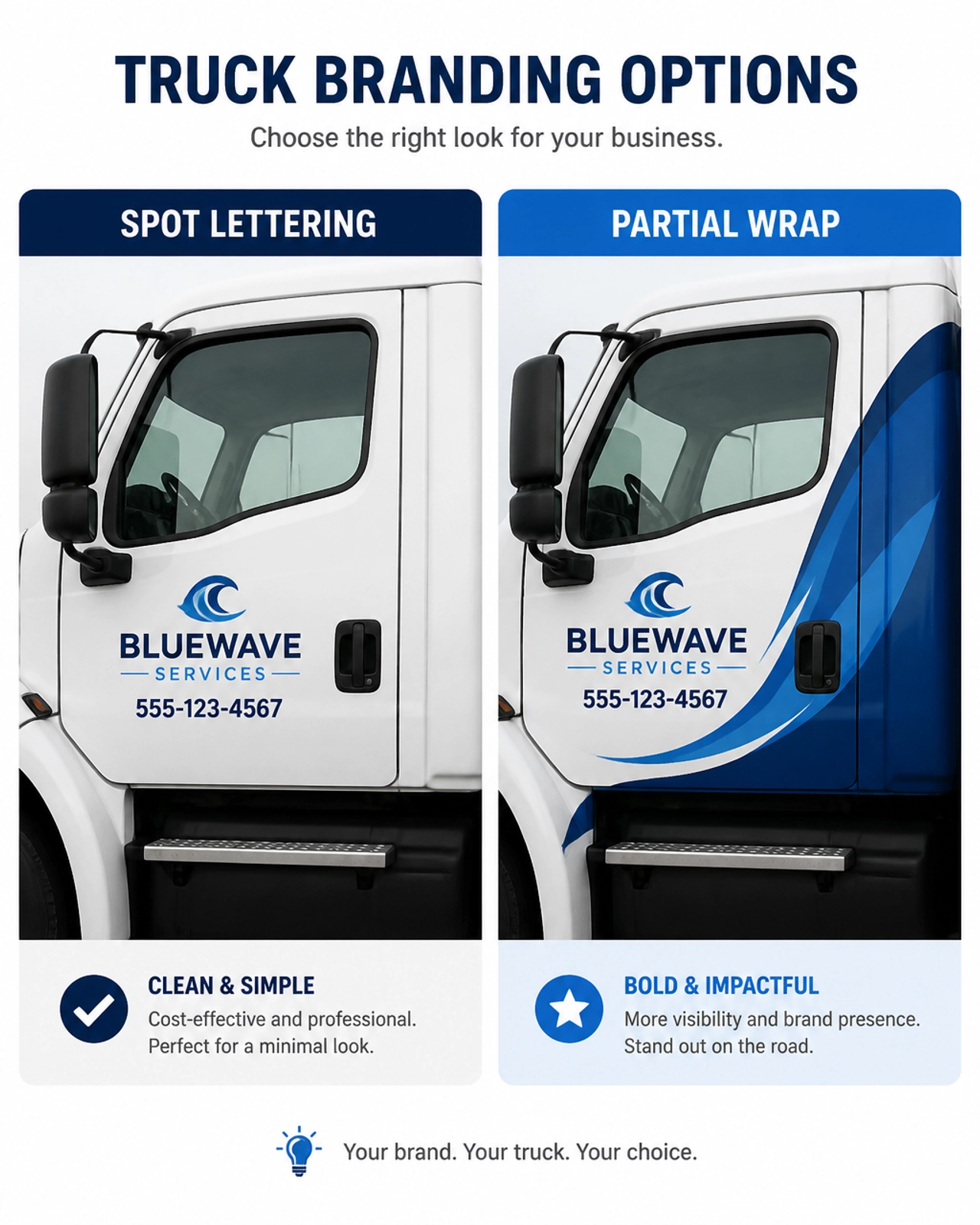
This is the most cost-effective way to get your business information on the road. Spot lettering uses cut vinyl: solid-colored pieces of vinyl cut into specific letters, numbers, and logos. We apply these individually to your doors, tailgate, or windows. It’s clean, professional, and perfect for businesses that need essential info (name, phone, website) without the bells and whistles of a full-color background.
2. Partial Wraps
A partial wrap is the "middle ground" that offers high impact without the cost of a full cover. We might wrap the rear half of a van or the tailgate and side panels of a truck. This allows us to integrate large-scale fleet vehicle graphics and brand colors while using the vehicle’s original paint as part of the design.
3. Commercial Vehicle Wraps
A full wrap covers the entire vehicle surface. This transforms your truck into a high-definition "moving billboard." If your marketing strategy relies on bold, full-color imagery and maximum visibility, commercial vehicle wraps are the gold standard.
Material Science: Cast vs. Calendered Vinyl
Not all vinyl is created equal. Using the wrong material is one of the most common mistakes we see in the industry. At Print Wave, we’re transparent about what we use because durability matters.
- Cast Vinyl: This is the premium choice. During manufacturing, the vinyl starts as a liquid and is "cast" onto a sheet. This makes it incredibly thin, flexible, and resistant to shrinkage. It's the only material that should be used for complex curves, rivets, and deep channels on modern vans and trucks.
- Calendered Vinyl: This is a thicker, more rigid material. It’s excellent for flat surfaces like the sides of a box truck or flat door panels. While more affordable, it’s prone to "tugging" or shrinking over several years if applied to complex curves.
For most vehicle wraps in Dayton, Ohio, and our clients across the region, we recommend high-performance cast vinyl for longevity. You can learn more about how we select media in our Print 101 guide on materials and durability.
Design Fundamentals for the Road
Designing for a vehicle is different than designing for a yard sign or a business card. You have about 2.5 seconds to catch a driver's attention and convey your message.
1. Prioritize Contrast
High contrast is the secret to readability. If you have a white truck, use dark lettering (black, navy, or deep forest green). Avoid pastels or thin fonts that wash out in bright sunlight or disappear at night under streetlights.
2. Font Choice and Size
Stick to bold, sans-serif fonts for your primary information. Decorative or script fonts might look great on your embroidery or apparel printing, but they are difficult to read at 65 mph on I-75. There is no single readability formula for every vehicle; typeface, contrast, speed, angle, and surrounding graphics all matter.
3. The Hierarchy of Information
Don't try to list every service you offer. Keep it simple:
- Company Name/Logo: The biggest element.
- Primary Service: What do you do? (e.g., "Precision Plumbing")
- Call to Action: A phone number or a short, memorable website URL.
Professional Installation and Precision
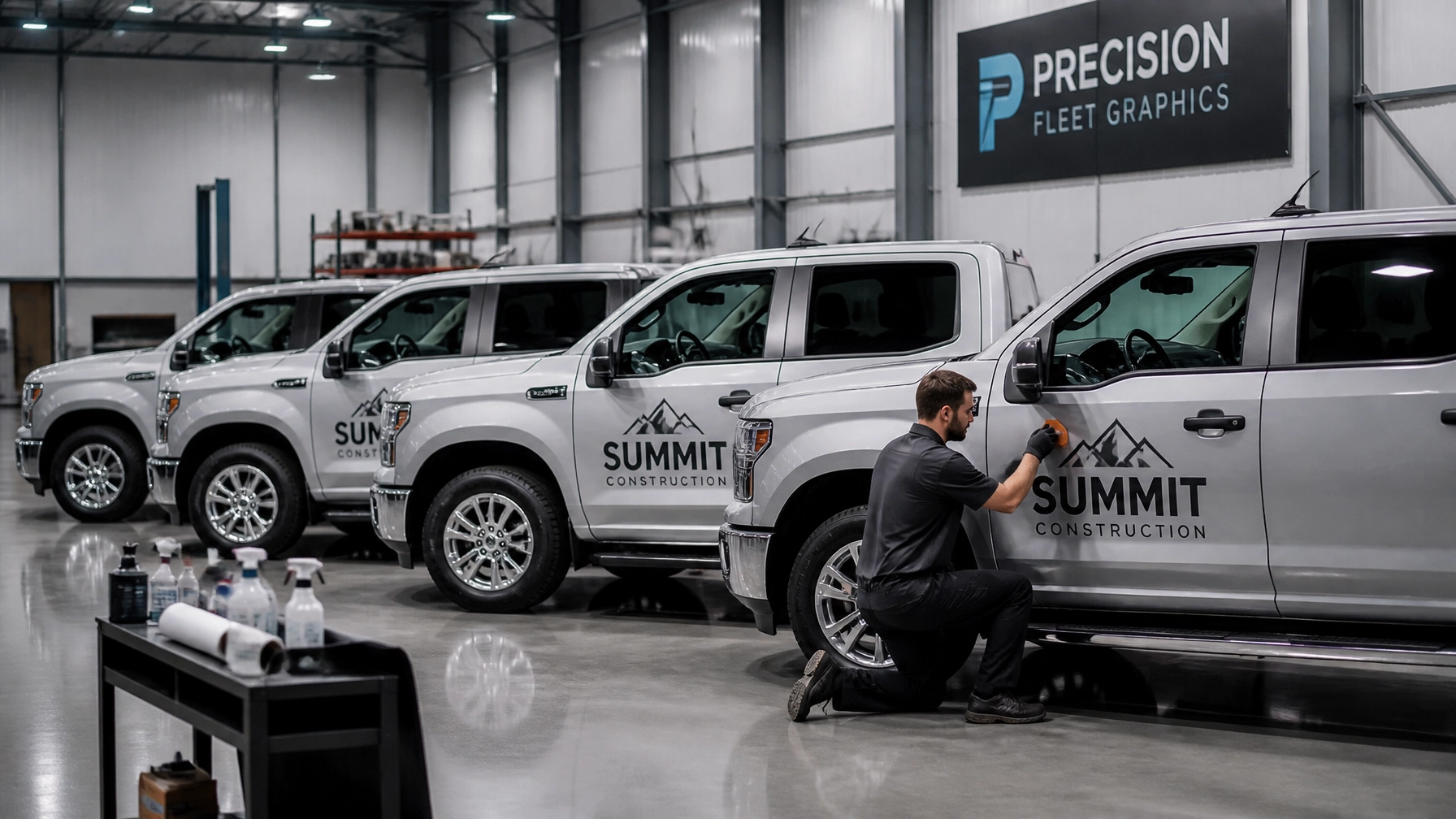
Even the best design will look unprofessional if it's installed poorly. Bubbles, misaligned text, and peeling edges are usually the result of "DIY" attempts or low-budget installers who don't properly prep the surface.
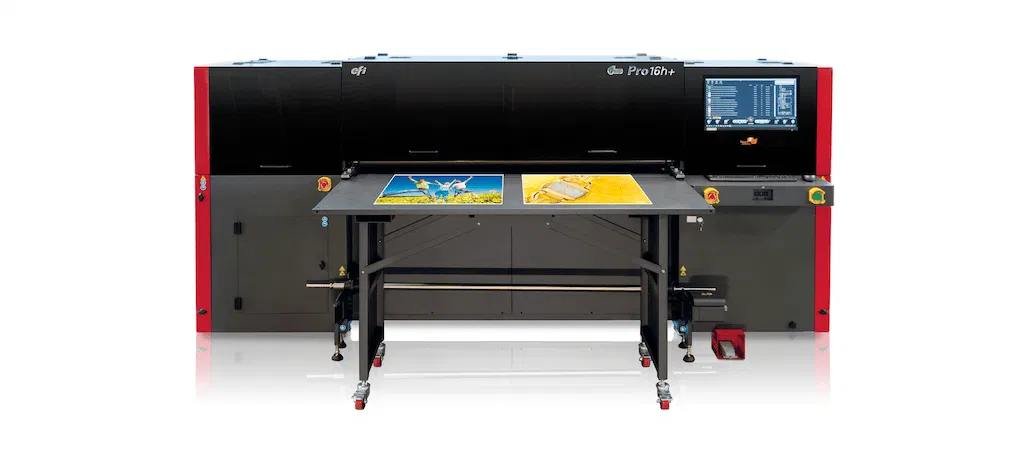
Print Wave coordinates file review, printing, finishing, and installation for fleet vehicle graphics. We confirm the approved scope and expected vehicle downtime before scheduling the work.
Maintenance: Keeping Your Brand Fresh
Once your truck lettering is installed, a little maintenance goes a long way in protecting your investment.
- Hand Wash Only: High-pressure car washes can catch the edges of cut vinyl letters and cause them to lift. We recommend hand washing with a soft cloth and mild detergent.
- Avoid Abrasives: Never use ice scrapers on vinyl graphics or window decals.
- Park in the Shade: While we use UV-resistant laminates, extreme sun exposure over many years can eventually fade even the best vinyl.
Why Partner with Print Wave?
We aren't just a print shop; we're a dependability partner for marketing teams and operations managers. Whether you need vehicle wraps in Cincinnati, storefront vinyl in Columbus, or a complete fleet rollout across the Miami Valley, we've got you covered.
Our production workflow includes artwork review, proof approval, printing, finishing, and installation planning. Review our Print 101 resources and request a written scope and schedule for the vehicle.
Ready to brand your fleet? From stickers and decals to full-scale commercial vehicle wraps, we're here to help you get it done right the first time.
Contact Print Wave today to schedule your fleet consultation. Let’s get your brand moving.
Get Your Work Vehicles Noticed
Ready to brand your work vehicles? Request a quote for truck lettering and fleet graphics from Print Wave in Centerville, serving Dayton and surrounding Ohio businesses.
Frequently Asked Questions
What is the difference between truck lettering and a partial wrap?
Truck lettering usually focuses on cut-vinyl names, phone numbers, web addresses, and simple logos. A partial wrap uses larger printed areas and can integrate photographs, gradients, or broader brand shapes.
What information should be easiest to read on a work vehicle?
Prioritize the business name, primary service, and one clear contact path. Extra service lists and small text can make the main message harder to understand while the vehicle is moving.
What should happen before installation?
Confirm vehicle measurements, inspect paint and body condition, approve the scaled proof, remove unneeded items from the work area, and follow the installer's cleaning and drop-off instructions.